Introduction
If you’ve been living with body pain that just won’t go away — stiff shoulders, a nagging backache, or tension that creeps up after a long day — you’ve probably tried the usual fixes. Painkillers, massages, maybe even physiotherapy. Sometimes they help for a bit, and sometimes the pain just comes right back.
That’s where tuning fork therapy for pain comes in. It’s a gentle, non-invasive approach that uses sound vibration to calm the nervous system and ease physical discomfort — without pills, needles, or side effects. In this blog, we’ll break down what it is, how it works, and why more people in Mumbai are turning to frequency therapy for body pain as part of their wellness routine.
1. What Is Tuning Fork Therapy?
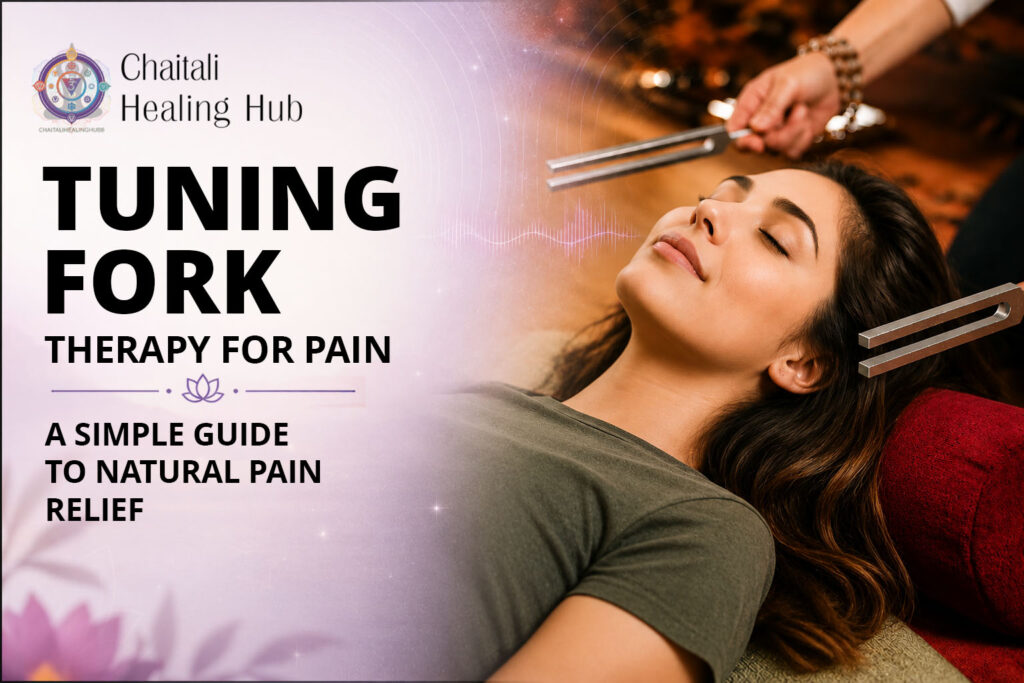
Tuning fork therapy uses small metal instruments — the same kind musicians use to check pitch — that are struck and placed on or near the body. Each fork produces a specific frequency, and when it touches the skin or moves through your energy field, it sends gentle vibrations into your muscles, joints, and nervous system.
Unlike a massage that works on muscle tissue directly, this is a pain management therapy that works on a vibrational level. The idea is simple: pain and tension often show up as blocked or imbalanced energy in the body, and sound vibration helps release that build-up naturally.
2. How Frequency Therapy Helps With Body Pain
Chronic pain isn’t just physical — it’s closely tied to how relaxed or stressed your nervous system is. When you’re constantly tense, your muscles stay tight, circulation slows down, and pain lingers longer than it should.
During a session, the vibrations from the tuning forks help:
- Calm the nervous system, so muscles aren’t gripping as tightly
- Improve circulation to areas holding tension
- Encourage the body to move out of “fight or flight” mode and into rest and repair
- Reduce the mental stress that often makes physical pain feel worse
This is why people dealing with back pain, neck stiffness, joint discomfort, or stress-related body aches often describe feeling lighter and looser after just a couple of sessions.
3. What Happens During a Pain Management Therapy Session
A typical session at Chaitali Healing Hubb starts with a short conversation about where you’re feeling pain and how long it’s been going on. From there, you simply lie down and relax while the tuning forks are gently applied to specific points on your body.
There’s no pressure, no discomfort, and nothing you need to “do” — you just need to be still and let the vibrations work. Most people find it deeply relaxing, and many notice a sense of ease in the treated area by the end of the first session.
4. Who Can Benefit From Tuning Fork Therapy for Pain
This therapy is gentle enough for most people and is often used alongside — not instead of — any treatment your doctor has recommended. It tends to help people who are dealing with:
- Desk-job related back and neck pain
- Shoulder and joint stiffness
- Stress and tension headaches
- General body aches that flare up with fatigue or poor sleep
If you’re looking for a natural way to support your body alongside conventional care, this is worth exploring.
5. What to Expect After Your Session
It’s common to feel calm, a little sleepy, or noticeably lighter after a session. Some people feel relief immediately, while others notice the change building over the next day or two as the body settles. Drinking water and resting well after your session can help the effects last longer.
For ongoing or chronic pain, a short series of sessions — rather than a single visit — usually gives the best results, since the body responds cumulatively to the vibrations over time.
6. Why Choose Chaitali Healing Hubb
At Chaitali Healing Hubb in Ghatkopar, Mumbai, every session is led personally by certified energy therapist Chaitali Parekh, who tailors each treatment to where you’re holding pain or tension. Clients consistently describe the space as calm, welcoming, and completely judgment-free — ideal whether this is your first time hearing about sound and frequency healing or you’ve tried it before.
Frequently Asked Questions
1. Is tuning fork therapy painful?
No. It’s completely non-invasive — you’ll feel gentle vibrations, not pressure or pain.
2. How many sessions will I need for pain relief?
It varies by person, but most clients notice a difference within 2–3 sessions, with chronic pain often needing a short ongoing series.
3. Can tuning fork therapy replace my doctor’s treatment?
No — it works best alongside medical advice, not as a replacement for it. Always consult your doctor for diagnosed conditions.
4. Is frequency therapy safe for everyone?
It’s gentle and non-invasive for most people. If you’re pregnant or managing a serious medical condition, it’s best to check with your doctor first.
5. Where can I get tuning fork therapy for pain in Mumbai?
Chaitali Healing Hubb in Ghatkopar East offers dedicated pain management sessions using tuning fork and frequency therapy.
Ready to feel lighter?
Let sound and frequency work through the tension your body has been holding onto.